
Code Quality and Clean Code Principles
“Quality” is the word teams reach for when a codebase frustrates them and nobody wants to argue about specifics. The articles in this collection try to put specifics back: which metric actually predicts maintainability, which Clean Code rule survives contact with a real change request, which analyzer warning is signal and which is decoration. Quality without a measurement attached is taste, and taste does not survive a team rotation.
The metric-focused content treats cyclomatic complexity, maintainability index, and class coupling as imperfect proxies rather than thresholds. The same number means different things in a CQRS handler and in a parser. Articles cover how to configure code metrics in Visual Studio and dotnet tooling so the output reflects intent — and when to ignore the numbers because the context invalidates them.
Analyzer and nullable-reference-type content sits at the boundary between style and correctness. Turning on TreatWarningsAsErrors, adopting <Nullable>enable</Nullable> in a legacy project, and choosing which Roslyn rules to enforce in .editorconfig are not aesthetic choices — they decide what kind of bug your CI is allowed to ship. The articles walk through staged adoption strategies rather than the all-or-nothing flag flip that most teams attempt and abandon.
Testing strategy gets the same treatment. Coverage percentages are easy to game; mutation testing exposes assertions that test nothing. Articles examine where mutation testing pays for its runtime cost, where it produces noise, and how to read the surviving mutants without rewriting the entire suite.
The social dimension runs through everything. Quality practices that one engineer pushes through review get reverted by the next rotation unless they live in tooling. The recurring theme is moving quality out of opinion and into configuration that fails the build — so the standard outlives whoever set it.

What Actually Changed Inside the .NET 11 JIT Compiler

My Analyzer Shipped Without Checking Its Own Source
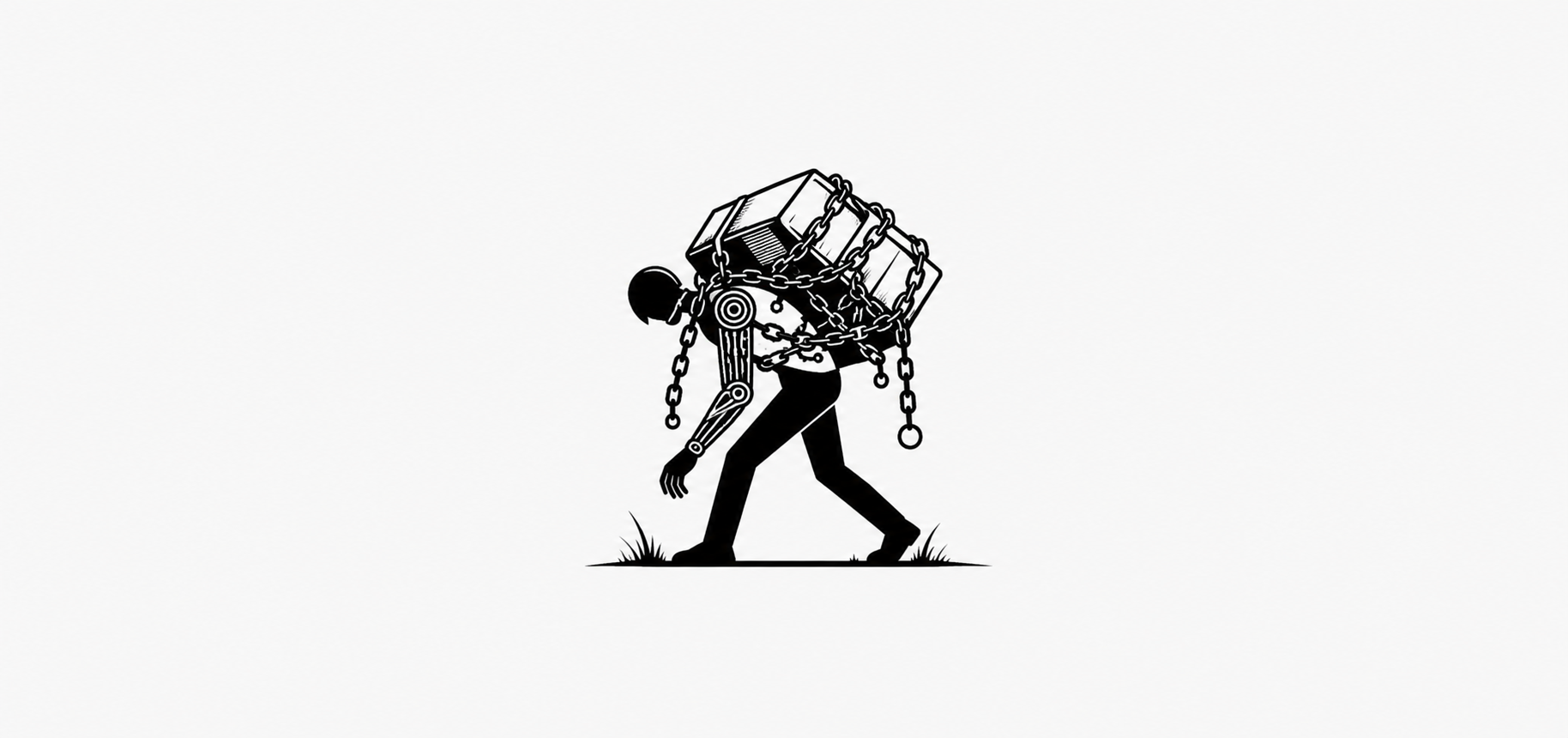
The Codebase Doesn't Know You Quit
The Machine Writes. The Legacy Is Still Mine.

I'm Done Making Empty Promises
// TODO: fix this properly. We’ll clean that up after the release. I’ll write the tests when there’s time. This is the third part of the Code as Legacy series, and I’m deciding to stop.