
AI Code Assistant Tools and Techniques

AI-powered code assistants have fundamentally changed how developers approach coding tasks, from boilerplate generation to complex problem-solving. This collection explores how tools like GitHub Copilot, Claude, and other AI models are integrated into development workflows, their strengths and limitations, and best practices for using them effectively.

Productivity and Learning

AI assistants excel at generating boilerplate code, completing repetitive patterns, and suggesting implementations for common problems. However, their effectiveness depends heavily on how developers use them—as tools to accelerate focus work or as shortcuts that circumvent learning.

The key question isn’t whether to use AI assistants, but how to use them as force multipliers without becoming dependent on generated code you don’t understand. Effective developers leverage AI for speed while remaining critically engaged with the output.

Integration and Workflows

Articles in this section cover practical integration of AI assistants into IDEs, command-line workflows, and team processes. Topics include prompt engineering for better suggestions, understanding when AI-assisted code requires extra scrutiny, and maintaining code quality standards while adopting AI tools.

The focus is on pragmatic adoption: understanding capabilities, recognizing limitations, and making informed decisions about where AI assistance genuinely accelerates development versus where it creates technical debt or security risks.
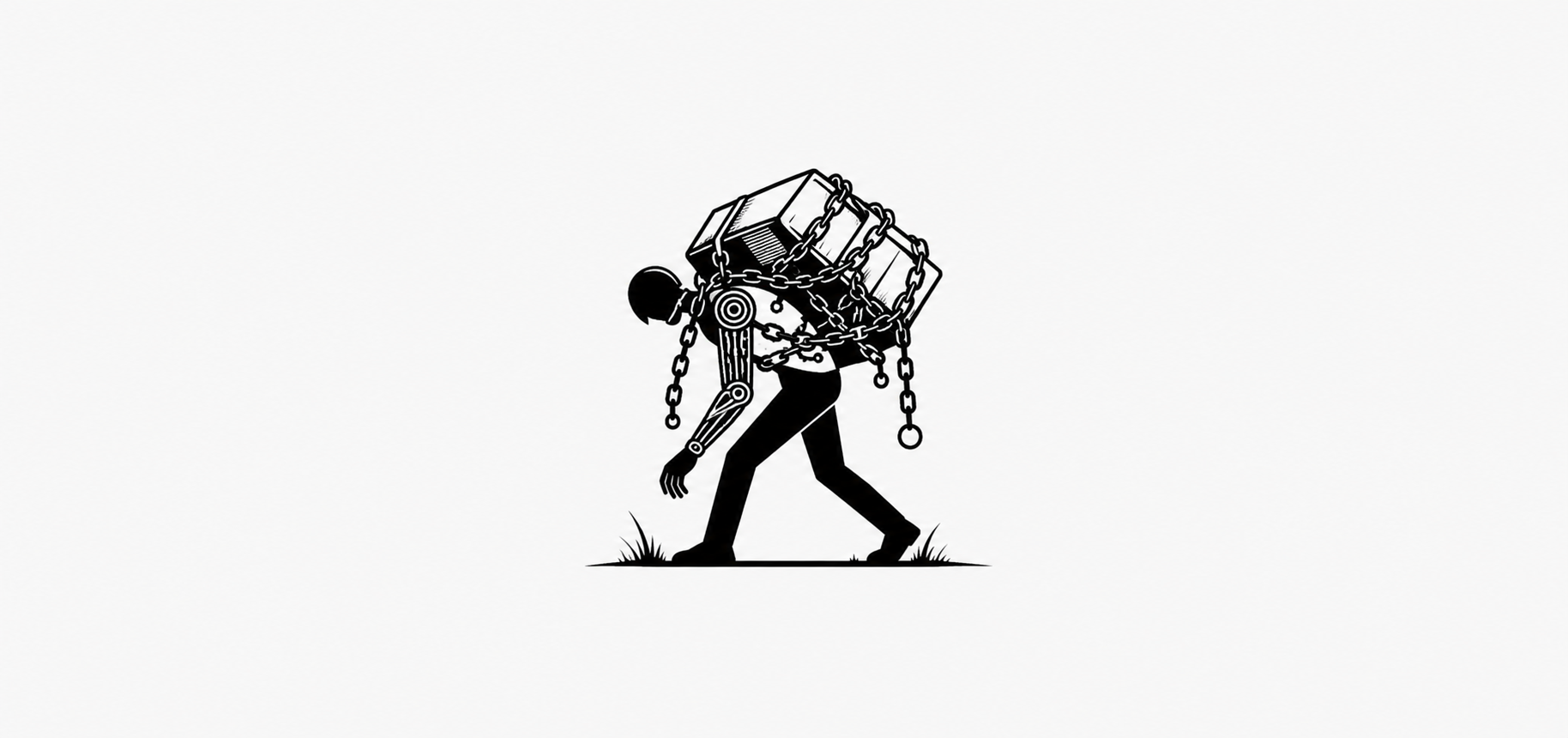
The Codebase Doesn't Know You Quit

The Codebase Doesn't Know You Quit

The first four parts of this series treated legacy as something between me and myself: Past Self leaving code for Future Self, with an AI in the middle. That framing is incomplete. Code outlives employment, not just memory. The companies I worked for have forgotten most of what I did there. The repositories haven’t. This is the fifth part of the Code as Legacy series, about the legacy you leave when you’re not around to defend it.
The Machine Writes. The Legacy Is Still Mine.

The Machine Writes. The Legacy Is Still Mine.

Part three ended with me promising to stop adding to Past Self’s pile. I was already wrong. I’m not the only author anymore: Copilot and Claude finish methods before I’ve finished thinking, shipping code under my name with my git config as the committer. This is part four of the Code as Legacy series, about what changes when the author is partly a machine.
You're Shipping Bugs Faster, and Your Tests Are Helping

You're Shipping Bugs Faster, and Your Tests Are Helping

AI coding agents make you faster. They also make your bugs faster: they generate plausible-looking code, you review quickly, the tests pass, and production breaks two weeks later. I keep falling into this pattern myself, always on the happy path, telling myself the edge cases come later. They don’t. Here’s the pattern, why most test frameworks make it worse, and how TUnit fights it.
.claudeignore Doesn't Exist. Here's What Does.

.claudeignore Doesn't Exist. Here's What Does.

Claude is indexing your bin/ and obj/ directories right now. You asked it how to stop that. It told you about .claudeignore. You added it, committed it, and felt responsible. There is just one problem: .claudeignore does not exist. Claude invented it, the internet spread it, and your secrets were never protected. Here is what actually works.
Real Professional Software Engineering in the AI Era

Real Professional Software Engineering in the AI Era

Throughout this series, we’ve established that AI-generated code without understanding creates productivity illusions that collapse in production (Part 1), and that the feedback loop between code and reality—compilation, testing, profiling, production—sharpens thinking in ways AI can’t replicate (Part 2). Now we confront the practical question: What defines professional software engineering when code generation becomes trivial? This final part examines the irreplaceable skillset: understanding execution characteristics (recognizing allocation patterns that cause GC pressure before deployment), asking questions AI can’t formulate (What’s the failure mode when this service is unavailable?), recognizing when plausible AI solutions diverge from correct ones, debugging production failures AI has no execution model to reason about, and evaluating maintainability for code that becomes tomorrow’s burden. We explore why prompt engineering optimizes for speed while architecture optimizes for survival, why “AI productivity” often means faster technical debt accumulation, and why the economic reality favors organizations that measure system reliability over lines of code generated. The feedback loop can’t be automated because closing it requires learning from production failures and applying that knowledge to prevent future ones—the irreplaceable discipline that defines real professionals in 2026 and beyond.